
Summary
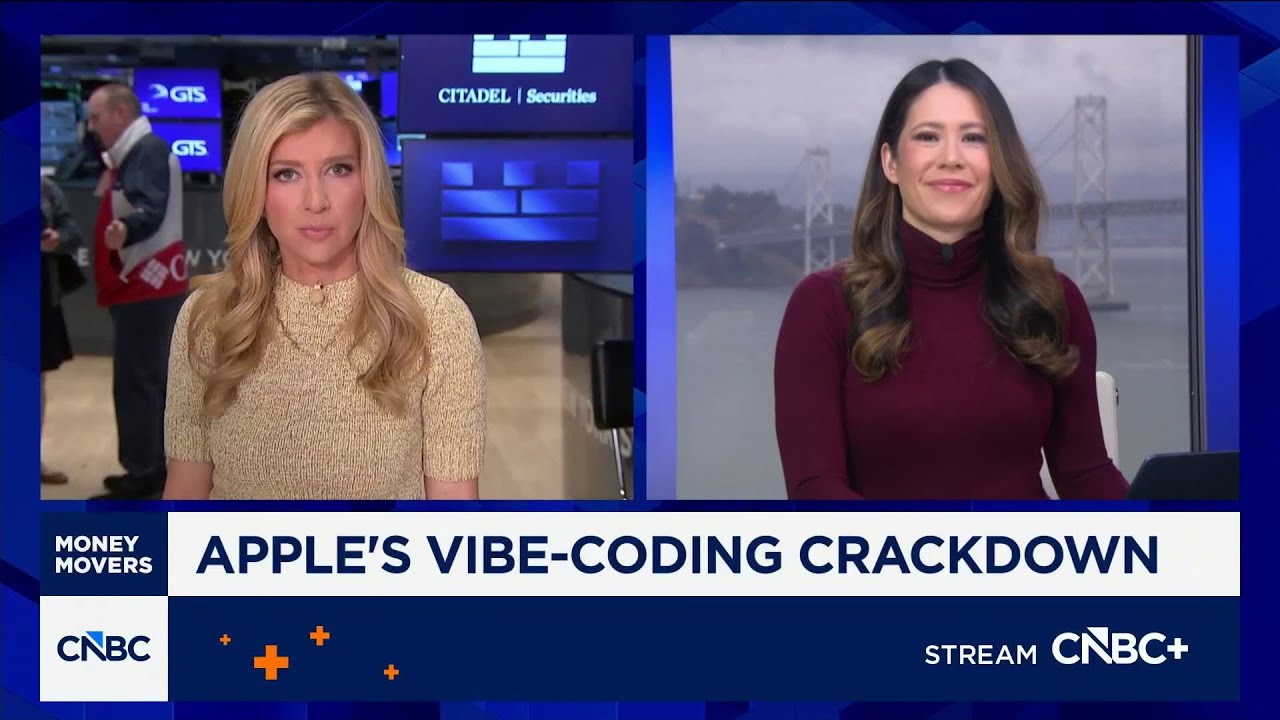
In a move that has drawn sharp criticism, **Apple** has reportedly blocked and removed several **AI coding** (or 'vibe coding') applications from its **App Store**, citing safety concerns. This crackdown, affecting apps like **Replit**, stands in stark contrast to the company's 50-year-old founding mission of democratizing computing. Critics argue that Apple is stifling innovation and pushing away a new generation of developers by hindering accessible tools that allow users to create apps without traditional coding expertise. The company maintains it's enforcing existing rules, but the selective application of these rules, especially when compared to other web-based content, has fueled accusations of protecting its lucrative **Services business** and its tightly controlled ecosystem.
Key Takeaways
- Apple is reportedly blocking AI coding apps, sparking debate about its founding mission.
- Critics argue Apple is stifling innovation and alienating developers.
- Apple cites safety concerns and consistent rule enforcement for its actions.
- The company's lucrative Services business may be a factor in its decision.
- The crackdown could push developers towards more open platforms.
Balanced Perspective
The conflict arises from **Apple**'s long-standing practice of maintaining a curated, secure App Store versus the more open nature of web-based AI coding tools. While Apple claims consistent rule enforcement, the distinction between in-app experiences and browser-based content is a key point of contention. The financial implications for Apple's **Services business**, which relies heavily on App Store commissions, are significant, suggesting a potential tension between revenue generation and fostering open development.
Optimistic View
Apple's stringent App Store review process, while seemingly restrictive, is a crucial safeguard for user trust and security. By maintaining high standards for AI coding apps, **Apple** is ensuring that these powerful tools are developed responsibly, preventing potential malware or privacy breaches that could erode the confidence users place in the **iPhone** ecosystem. This approach ultimately fosters a healthier, more sustainable environment for innovation that prioritizes user safety over unchecked proliferation.
Critical View
By blocking accessible AI coding tools, **Apple** is actively undermining its own historical commitment to democratizing technology. This move not only alienates aspiring developers but also risks creating a 'walled garden' that stifles the very innovation it claims to champion. The company's selective enforcement of rules, particularly when it comes to protecting its **Services revenue**, suggests a prioritization of profit over its founding ethos, potentially pushing developers towards more open platforms like **Android**.
Source
Originally reported by CNBC